

Erja Hirvi
Priding herself on being able to retain a child-like sense of naïveté, textile designer Erja Hirvi creates playful printed patterns for modern design giant, Marimekko. Initially a student of weaving, by the suggestion of her teacher she applied to the University of Art and Design in Helsinki. Her design process comes from absorbing the world around her and always remaining open. “The idea for a pattern can come from almost anything. If you keep your eyes open and slip into “designer mode”, you can see ideas everywhere.” Hirvi’s Kissanminttu, Kumina, Lumimarja and Hedelmapeli print all have a bright spirit and involve an element of nature which is intrinsically Finnish.
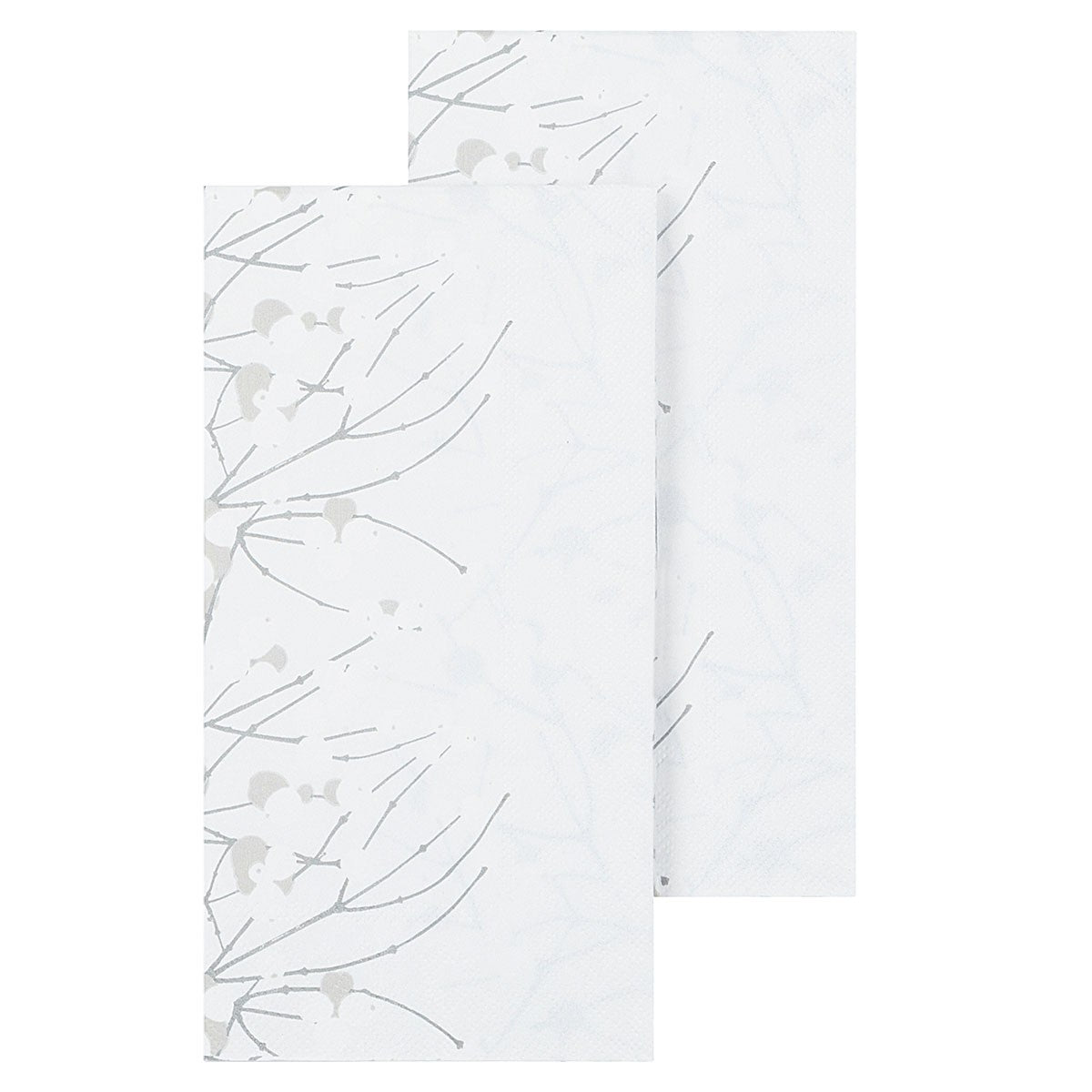
Marimekko Lumimarja Silver/White Buffet Napkins
Choose your option
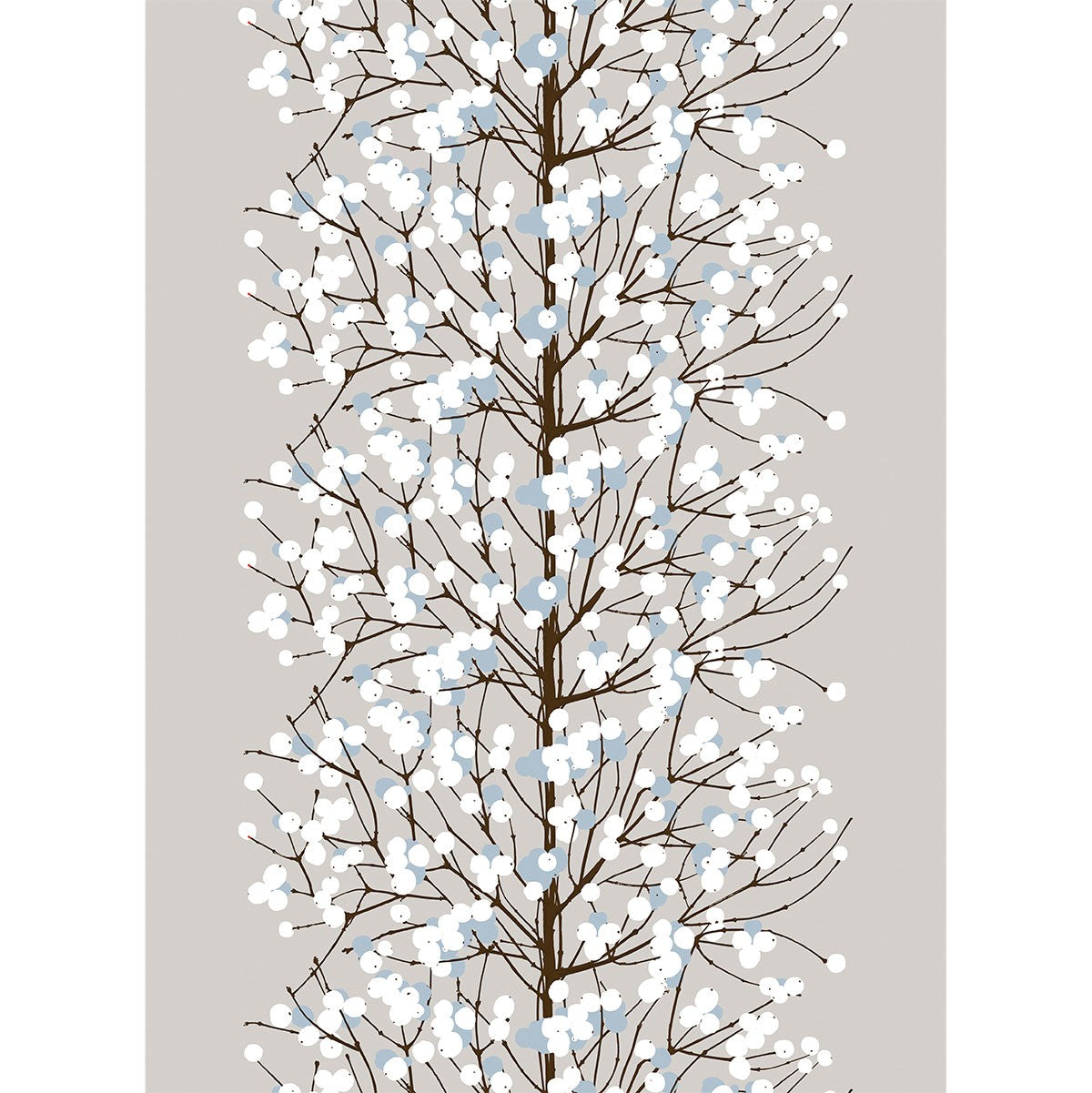

Marimekko Lumimarja Grey / Blue Cotton Fabric
Choose your option


Marimekko Tiara Gold / White Ornament
Choose your option

Marimekko Tiara Orange / Green / Blue Tote Bag
Choose your option
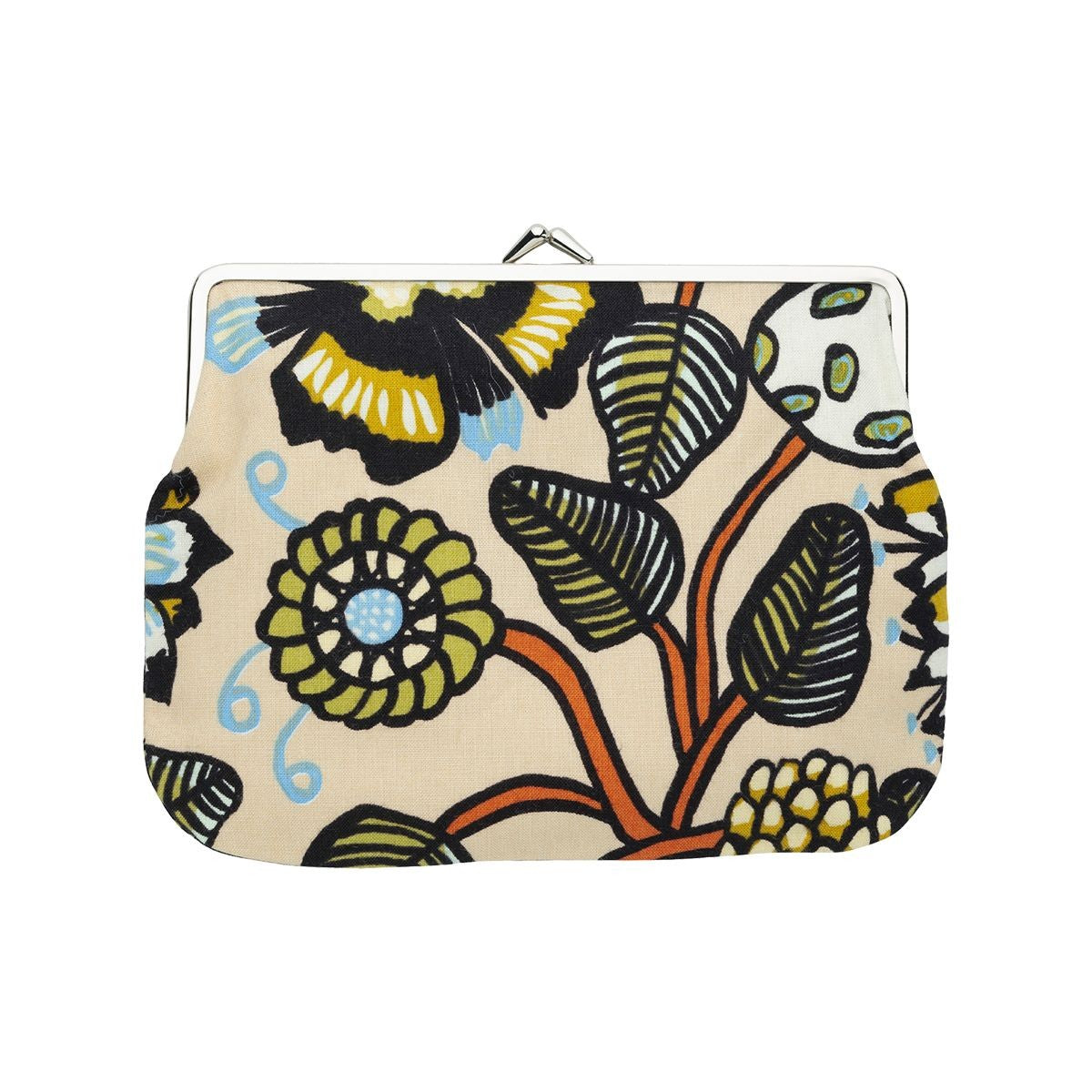
Marimekko Tiara Orange / Green / Blue Large Coin Purse
Choose your option


Marimekko Kukasta Kukkaan White / Pink / Plum Mug
Choose your option


Marimekko Pieni Kukasta Kukkaan Pink / Terracotta / Plum Small Coin Purse
Choose your option

Marimekko Kukasta Kukkaan White / Terracotta Salad Plate
Choose your option

Marimekko Kukasta Kukkaan White / Pink / Plum Large Mug
Choose your option


Marimekko Kukasta Kukkaan Stone / Plum / Terracotta Low Soup / Cereal Bowl
Choose your option


Marimekko Kukasta Kukkaan White / Pink / Plum Soup / Cereal Bowl
Choose your option


Marimekko Kukasta Kukkaan Off White / Plum / Terracotta Square Tablecloth
Choose your option

Marimekko Kukasta Kukkaan White / Plum / Bronze Tea Towel
Choose your option

Marimekko Kukasta Kukkaan Stone / Plum / Terracotta Salad Plate
Choose your option


Marimekko Pieni Kukasta Kukkaan Off White / Pink / Plum Acrylic-Coated Cotton Fabric
Choose your option

Marimekko Kukasta Kukkaan Stone / Plum / Terracotta Mug
Choose your option


Marimekko Ensikukat Cream / Dark Blue Linen Fabric
Choose your option

Marimekko Kukasta Kukkaan Off White / Bronze Lounge Pillow
Choose your option


Marimekko Kukasta Kukkaan White / Terracotta / Orange Throw Pillow
Choose your option


Marimekko Pesofati Kukasta Kukkaan Light Yellow / Light Blue / Light Pink Scarf
Choose your option


Marimekko Kukasta Kukkaan White / Terracotta / Light Brown Square Tablecloth
Choose your option

Marimekko Kukasta Kukkaan White / Terracotta / Plum Coated Placemat
Choose your option

Marimekko Kukasta Kukkaan Light Brown / White / Pink Tea Towels - Set of 2
Choose your option


Kalevala x Marimekko Garden Kukasta Kukkaan Charm
Choose your option


Marimekko Kukasta Kukkaan Off White / Plum / Terracotta Cotton Sateen Fabric Repeat
Choose your option


Marimekko Kukasta Kukkaan Dark Blue / Bronze / Light Blue Medium Weight Cotton Fabric Repeat
Choose your option


Marimekko Kukasta Kukkaan Plum / Bronze / Terracotta Throw Pillow
Choose your option


Marimekko Pieni Kukasta Kukkaan Off White / Pink / Plum Cotton Fabric
Choose your option

Marimekko Kukasta Kukkaan White / Plum / Terracotta Fabric Napkins - Set of 3
Choose your option

Marimekko Kukasta Kukkaan Pink / Cream / Terracotta Round Serving Tray
Choose your option
About Finnish Design
Finnish design has a long history and is know for simplicity, functionality, and craftsmanship. It's trademark designs emerged in the early 20th century, and gained international attention through pioneers like Alvar Aalto in architecture and furniture, as well as companies such as Iittala, Artek, and Marimekko. Their work emphasized clean lines, natural materials, and a harmonious balance between beauty and practicality. Everything must have a purpose. Iconic products like the Aalto vase, Artek’s Stool 60, and Marimekko’s bold textile patterns established Finland as a leader in modernist design. Over the next century, Finnish design became synonymous with high quality, technical skill, and timeless aesthetics—qualities that have earned it global recognition, particularly during the postwar years when Nordic design was celebrated worldwide, and still is. Today, Finnish products continue to enjoy international respect, not only for their aesthetic value but also for their reputation of reliability, thoughtful construction, and cultural authenticity.
New Arrivals


Choose your option


BonBon Moomin Lemon, Raspberry, Cola & Lemon Sour Candy Gummies - 4 oz
Choose your option


BonBon Moomin Strawberry & Blueberry Sugared Candy Clouds - 4 oz
Choose your option


Lapuan Kankurit Onni Black / Beige Slippers
Choose your option


Choose your option


Lapuan Kankurit Kivi Black / Beige Bathrobe
Choose your option

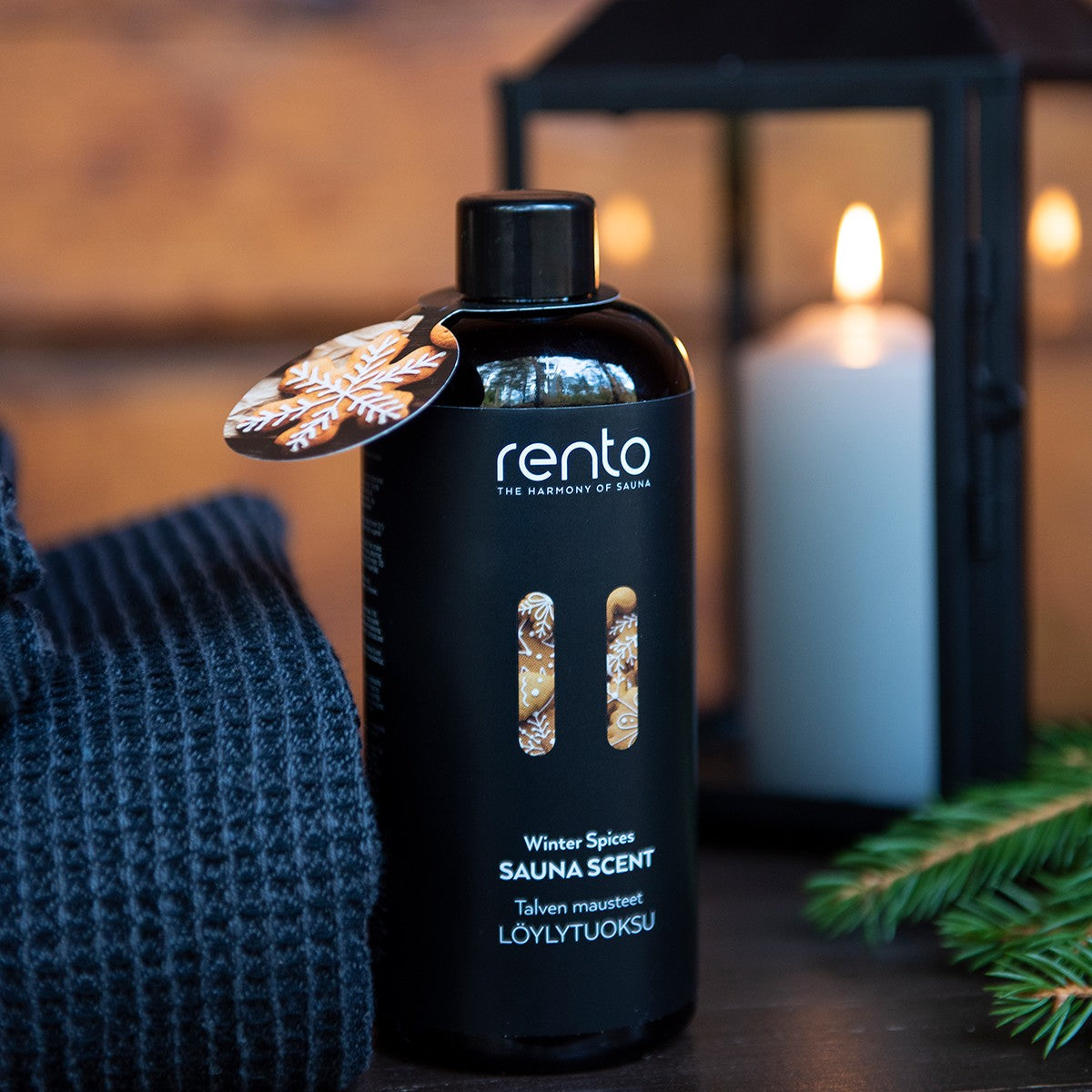
Rento Forest / Winter Spices / Arctic Pine Sauna Scent Gift Box
Choose your option

